Berlin Bridge
A Schalke without barriers
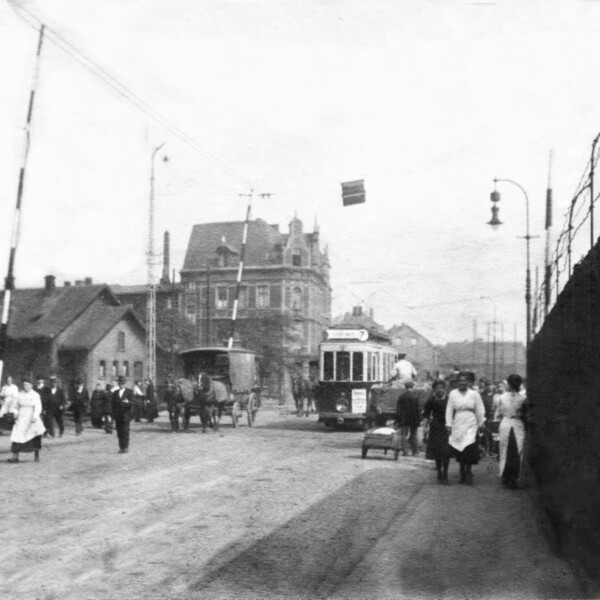
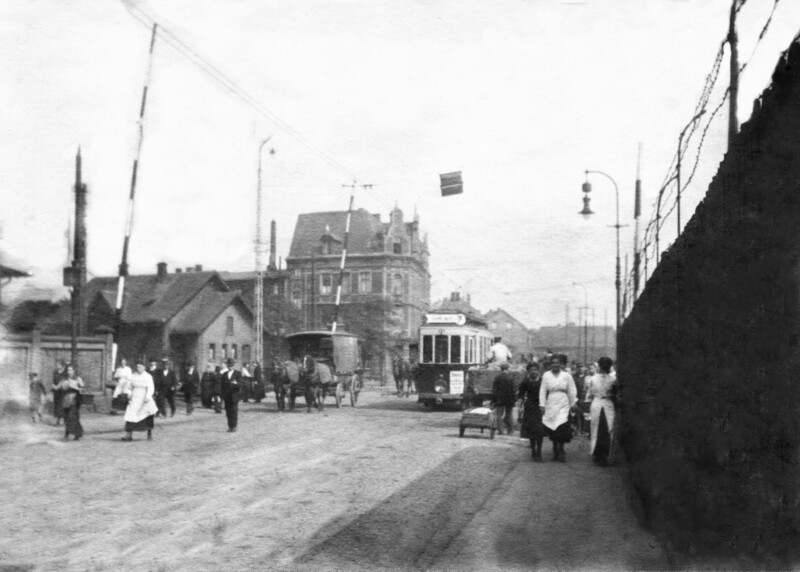
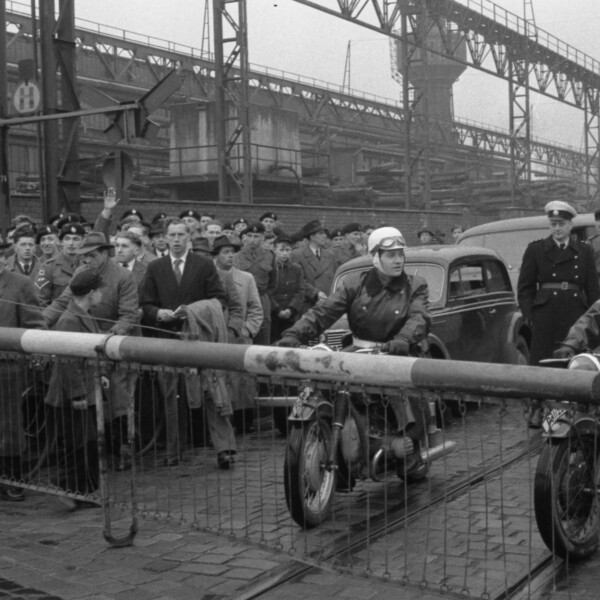
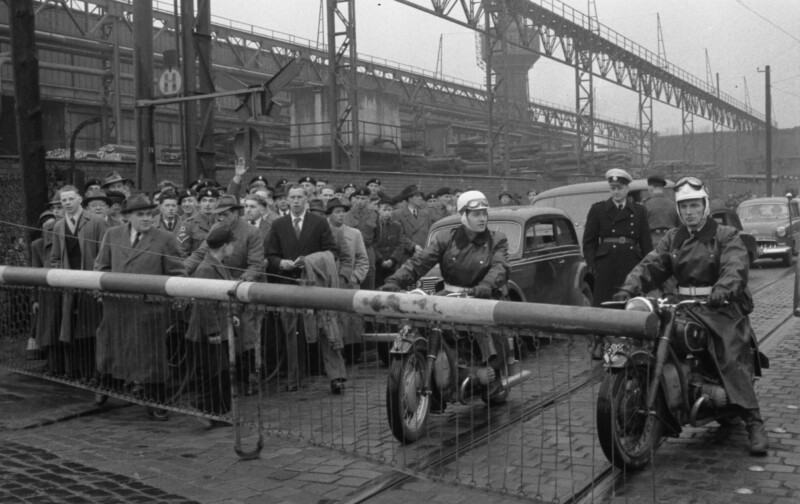
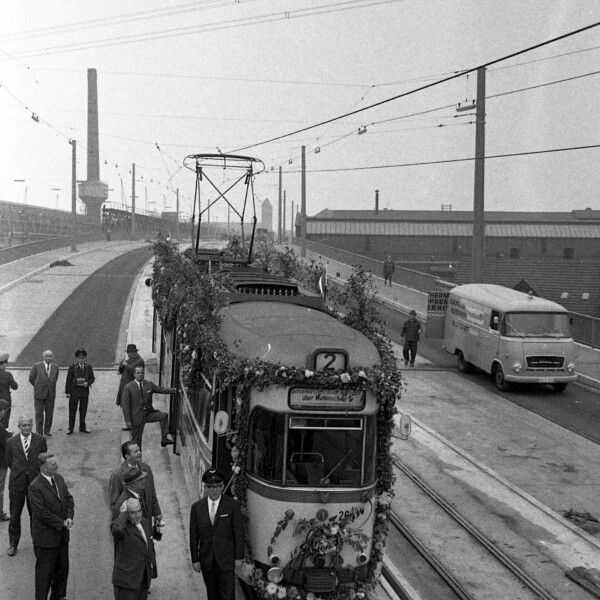
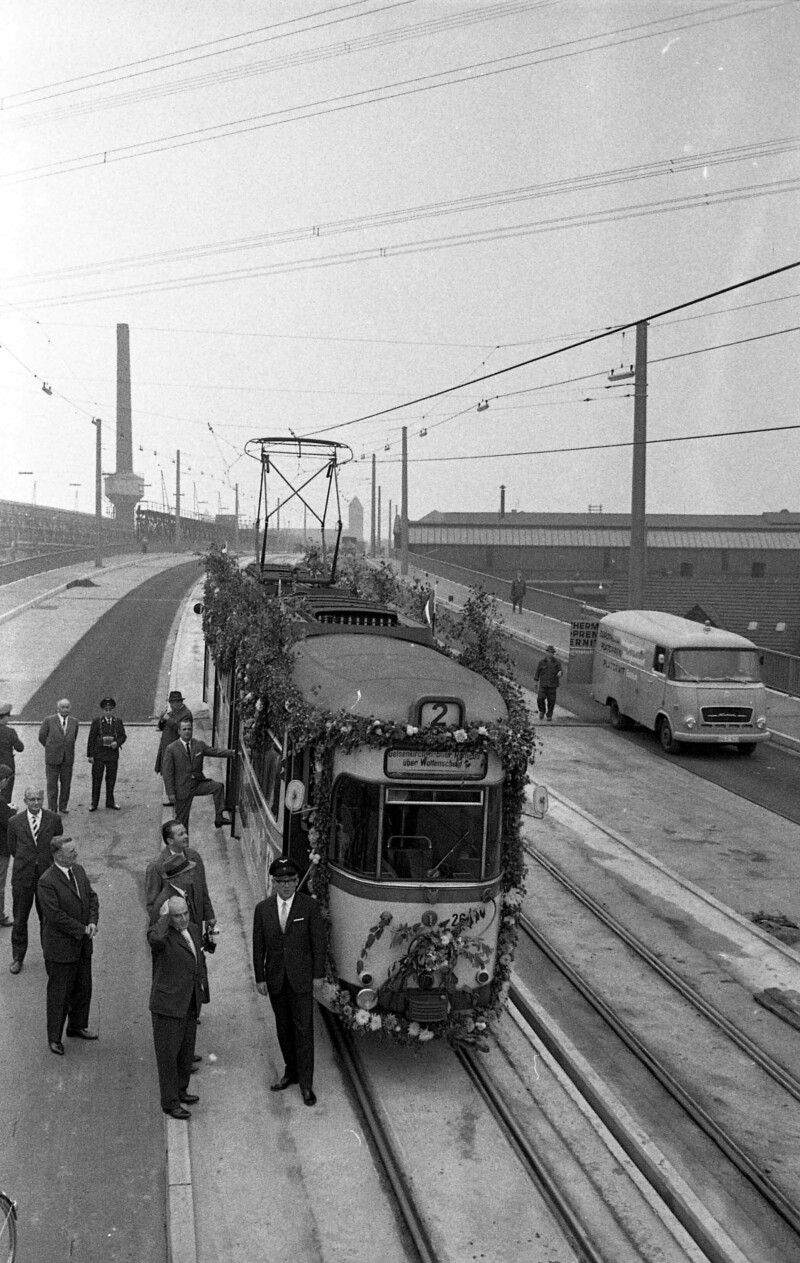
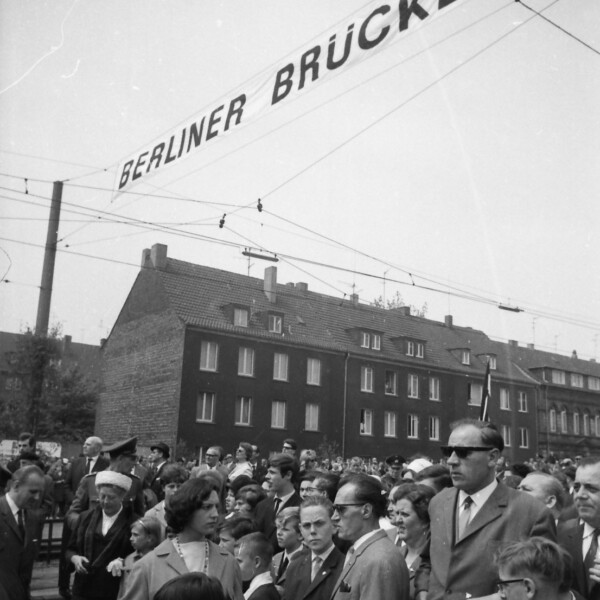
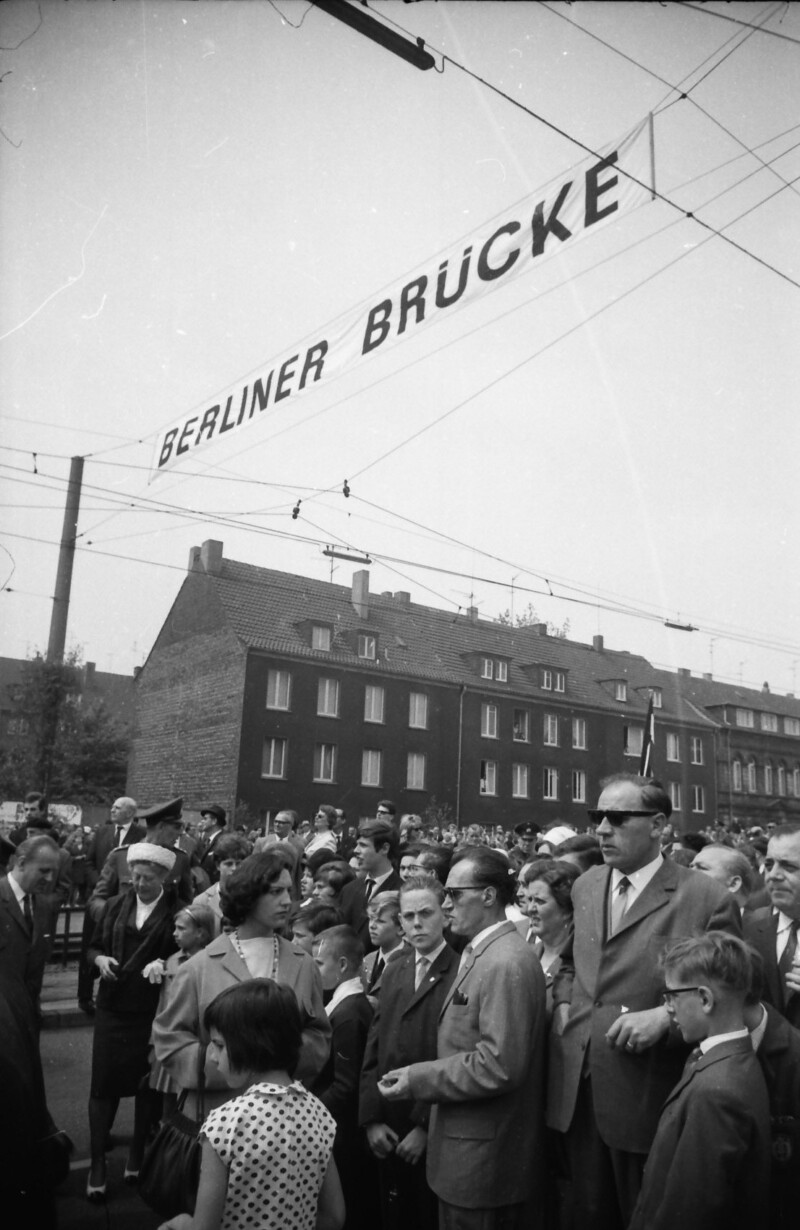
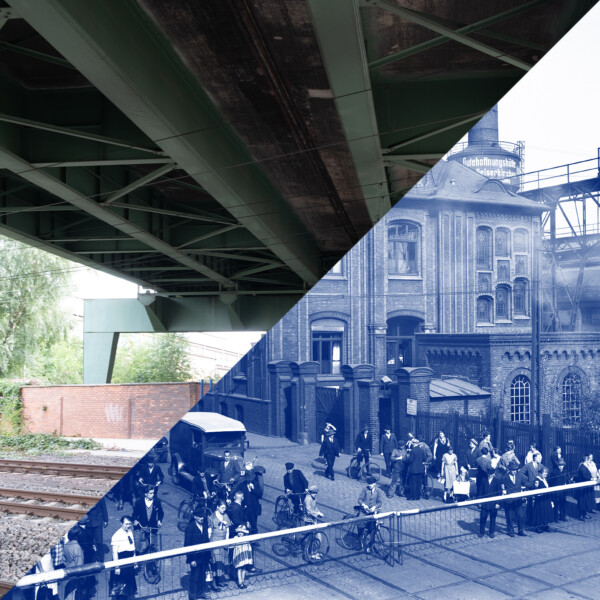
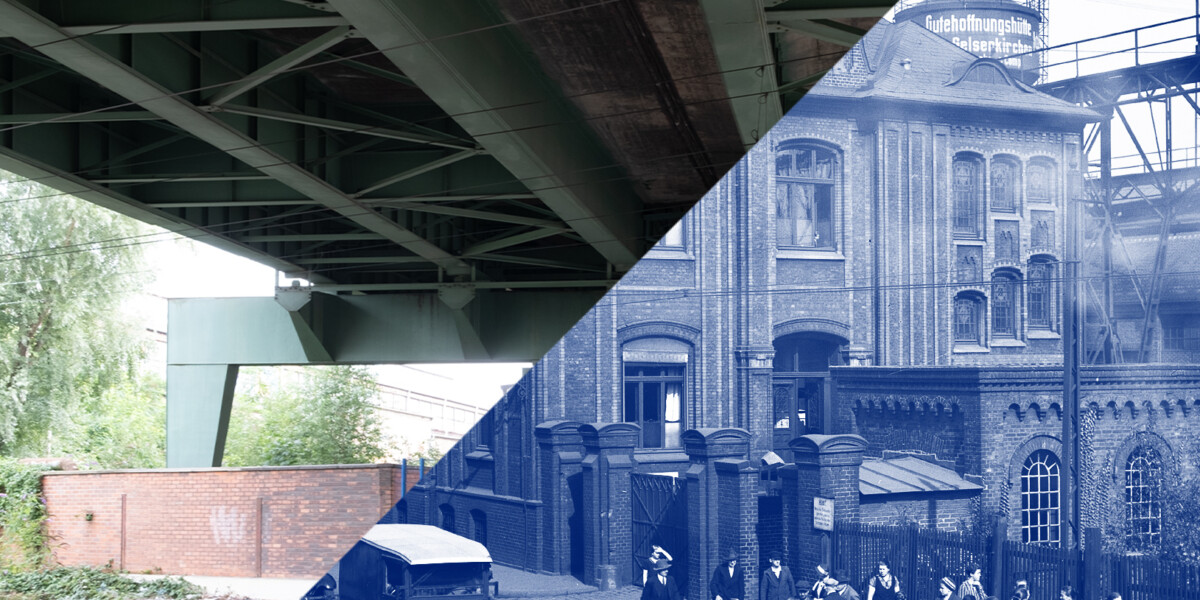
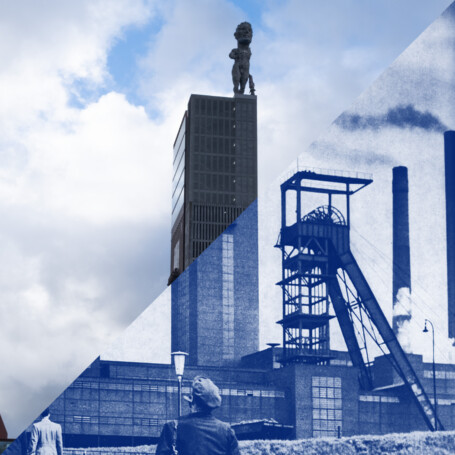
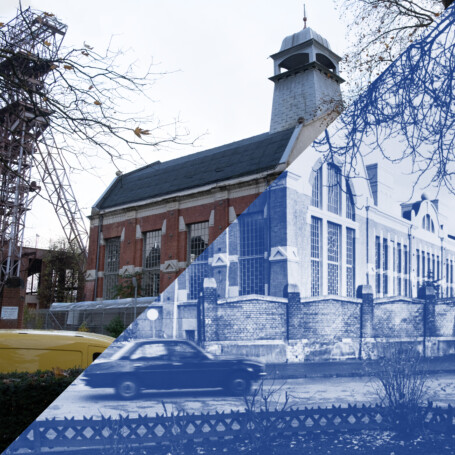
Those damned barriers are gone at last. People walk over the new bridge and look around in disbelief. For the first time, they see the heart of Schalke from a bird's eye view, this tangled web of furnaces, winding towers, roads, residential buildings and above all: railway tracks. In particular, they notice the thick line that runs back and forth from the Consol 1/6 colliery on several tracks and crosses Kaiser-Wilhelm-Straße at Schalker Markt. How often the people of Schalke had to wait at this gated level crossing... Every day, trains carrying coal from Consol passed through it. The barriers were popularly known as the "Glückauf barriers": you had to be lucky for the barriers to be open. How often did poor unlucky people miss the kick-off at the Glückauf-Kampfbahn because the barriers were down?
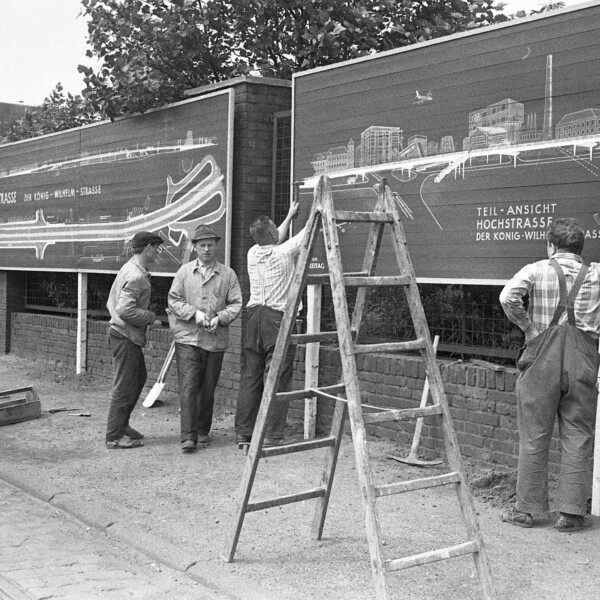
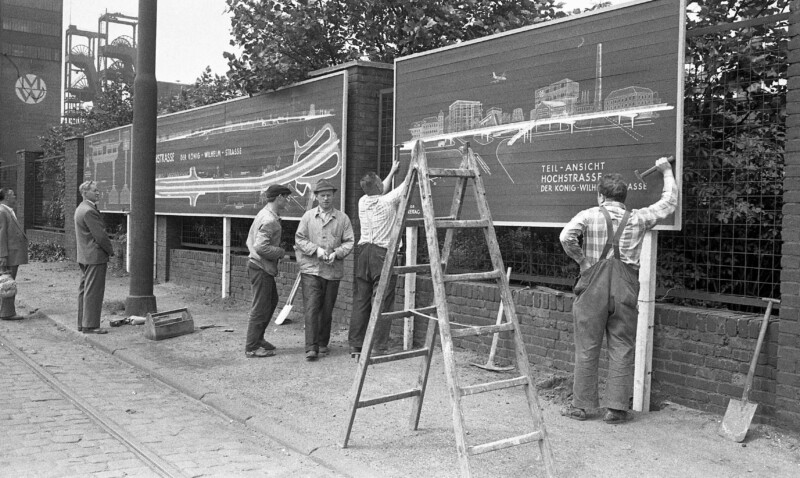
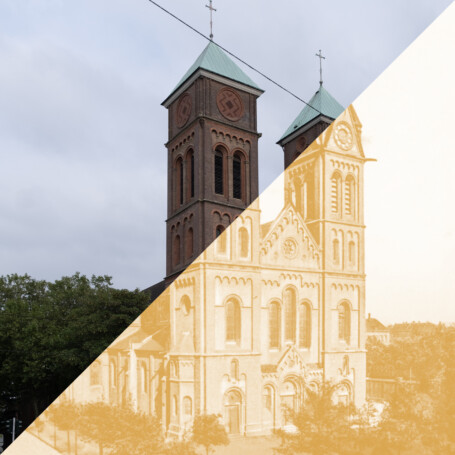
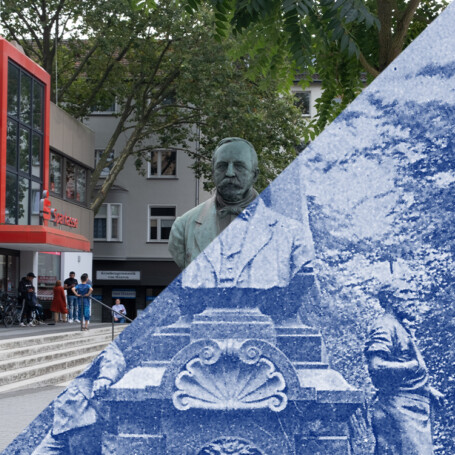
The Berlin Bridge was intended to lead Gelsenkirchen and the Schalke district into a "car-friendly" future. The car was becoming more widespread, and the economic miracle meant that more people could afford a vehicle. Between 1950 and 1959, the number of registered cars in the Federal Republic rose from 518,000 to 3.5 million. A piece of the old Schalkes had to make way for this step into the future: The last magnificent buildings on Kaiserstraße that had survived the Second World War also had to make way for the new four-lane road. And Schalker Markt disappeared completely in the shadow of the new steel colossus. Today, the volume of traffic on the four-lane Kurt-Schumacher-Strasse between St Joseph's Church and the Schalker Meile is a major burden for local residents and the environment.
 and then "Add to Home Screen".