House Goor
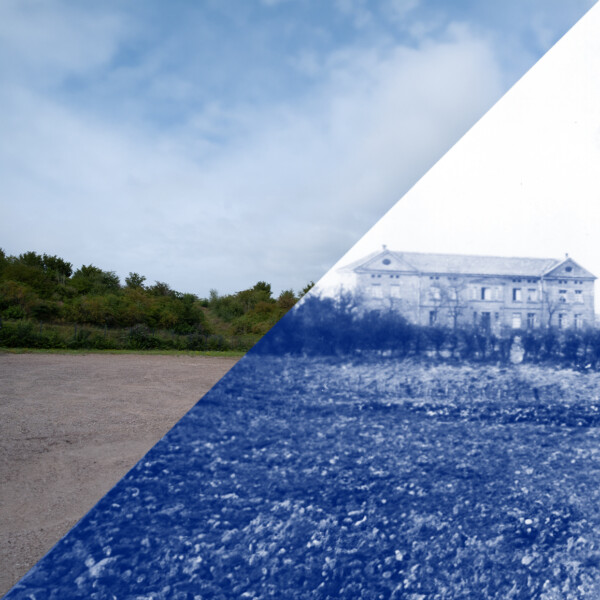
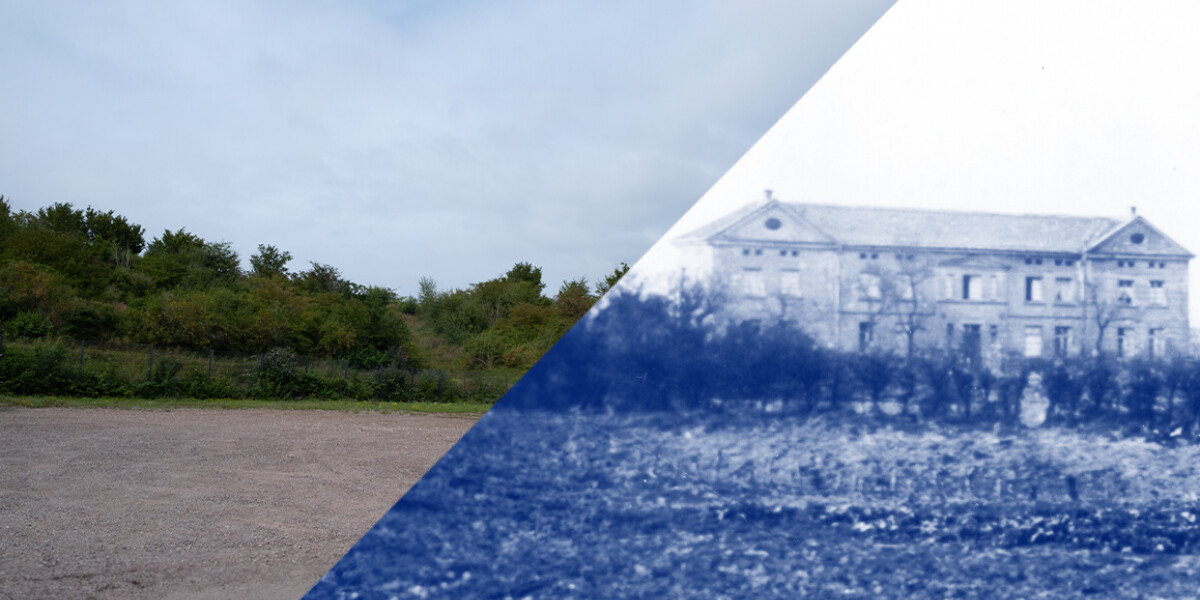
Squires on the former manor
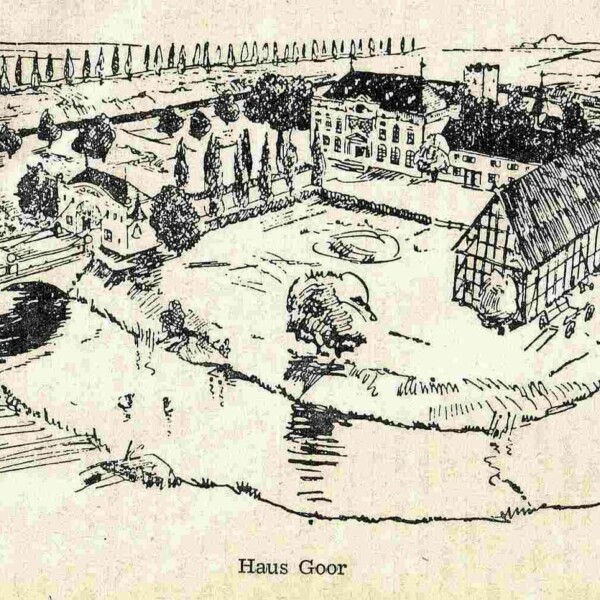
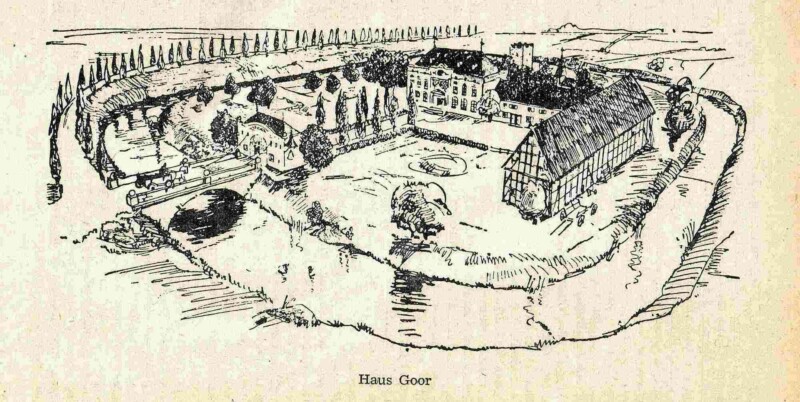
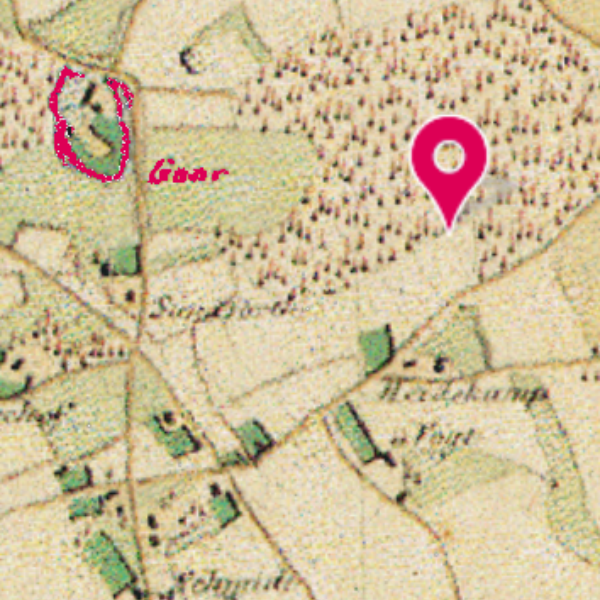
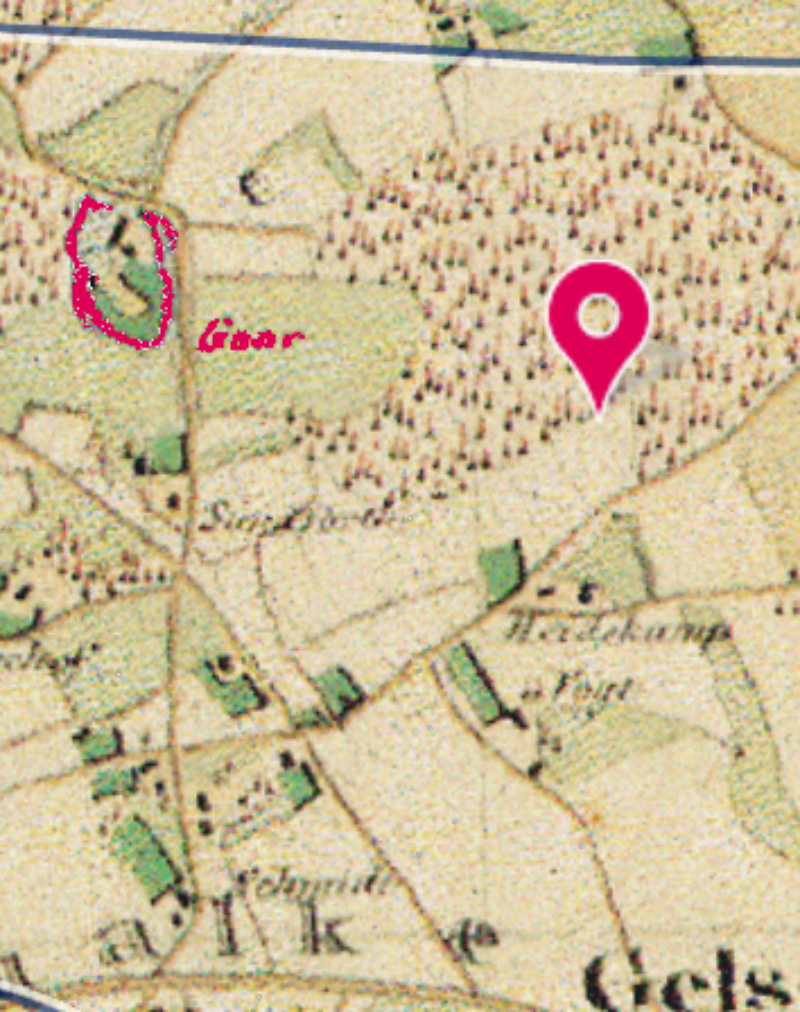
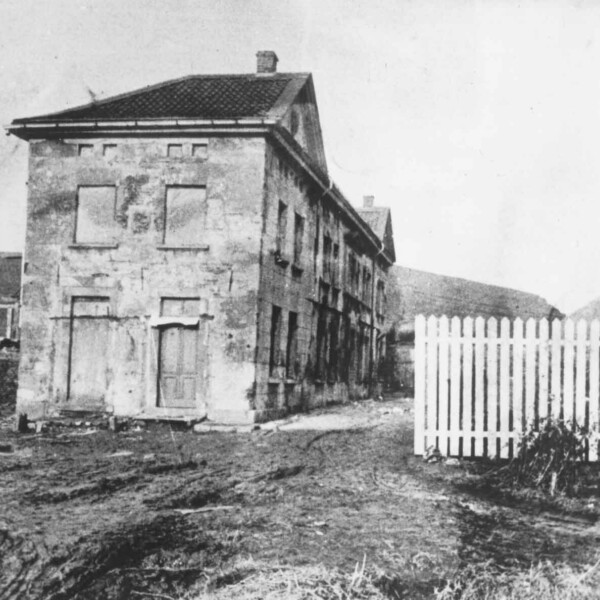
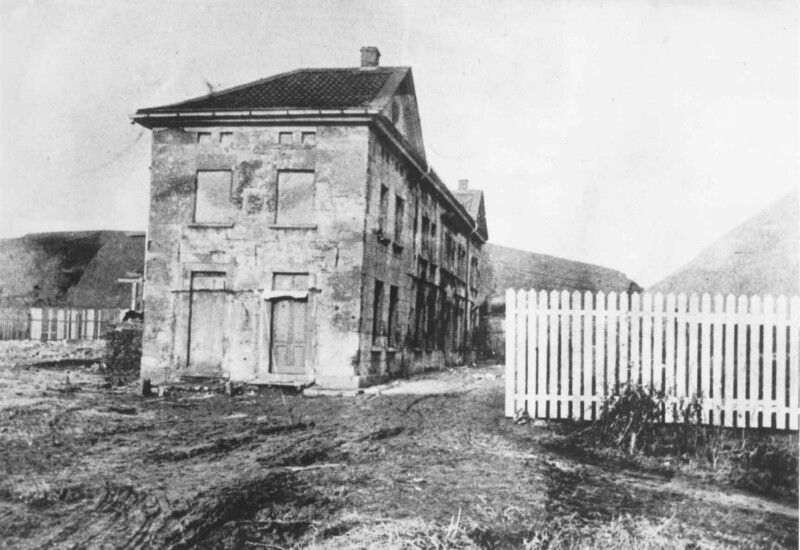
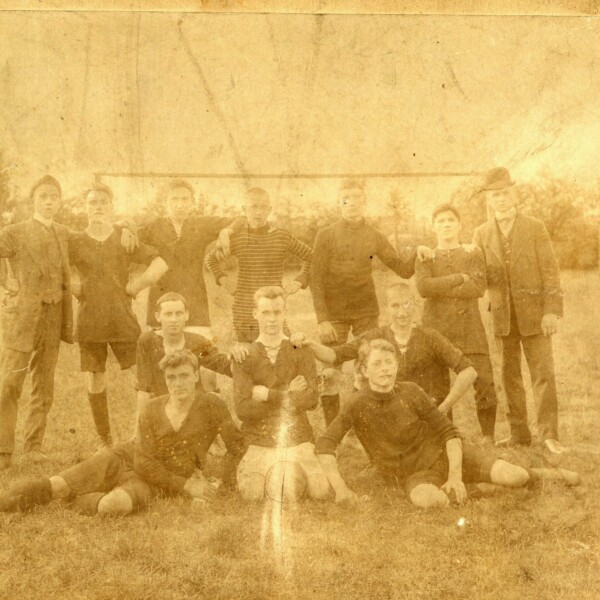
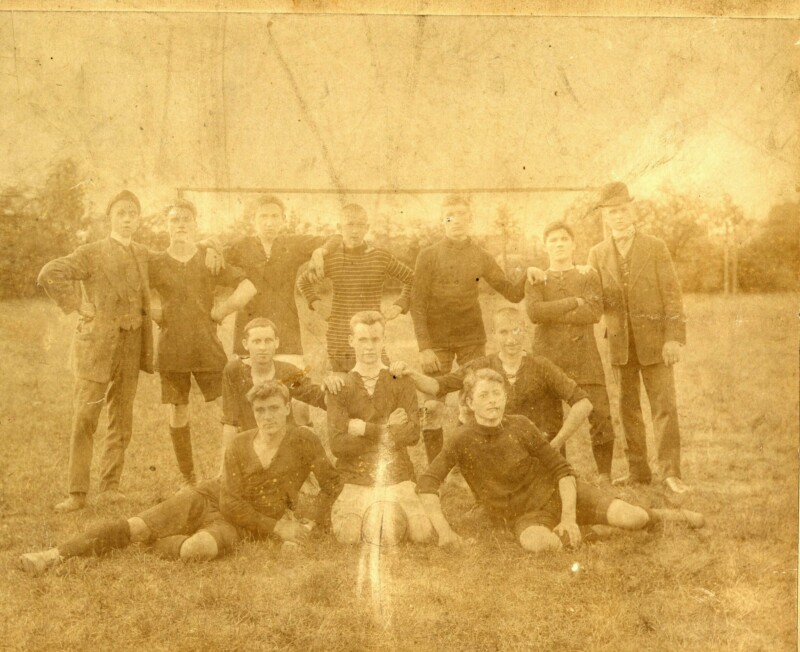
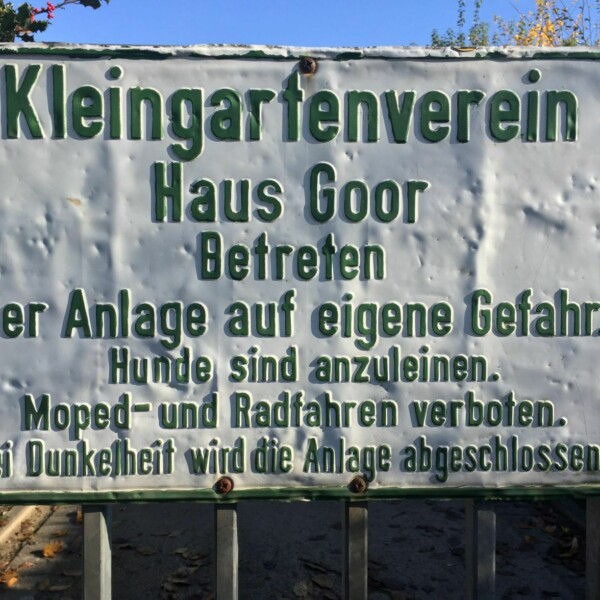
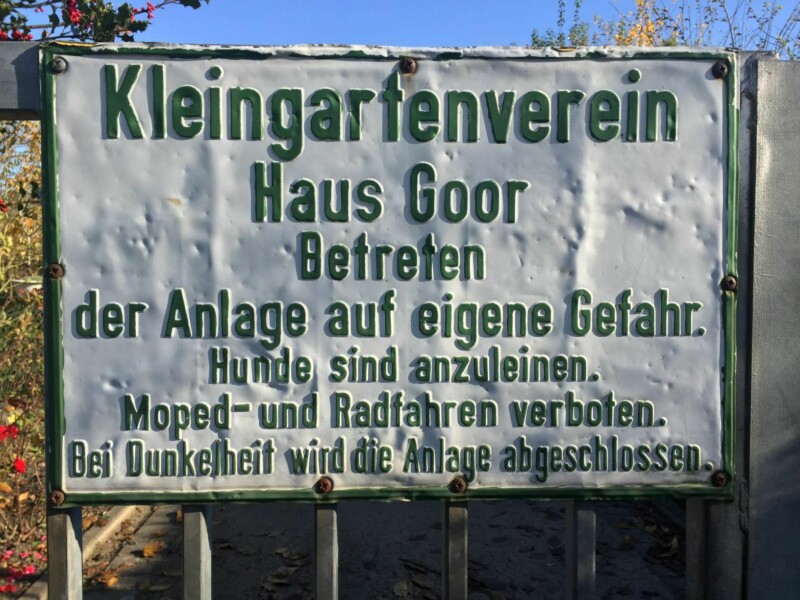
People tap their foreheads silently when they first see the boys on the meadow in front of the Goor house. Like maniacs they are chasing a big ball in the ankle-deep mud. What the spectators do not suspect: The twelve to 14-year-old boys are the great-grandfathers of FC Schalke 04, and it is here, on the bumpy, crooked and sloping meadow in front of Haus Goor, that the roots of the club lie. The former manor house has its best days behind it. The ruins stand in the shadow of the winding towers of the Consol colliery and the chimneys of industry. Knights are said to have lived here in the past, not even a hundred years ago even a real countess from France. But the industrialists are the new aristocracy, most of the land in the area belongs to them. Some of the boys work at Consol or Küppersbusch. But they spend every free minute here playing. Sometimes they still sit on the meadow after the game and dream of playing against other teams, in their own jerseys. Yellow and red they would be and they would name their team after their home. That way, everyone knows immediately where they come from: from Schalke.
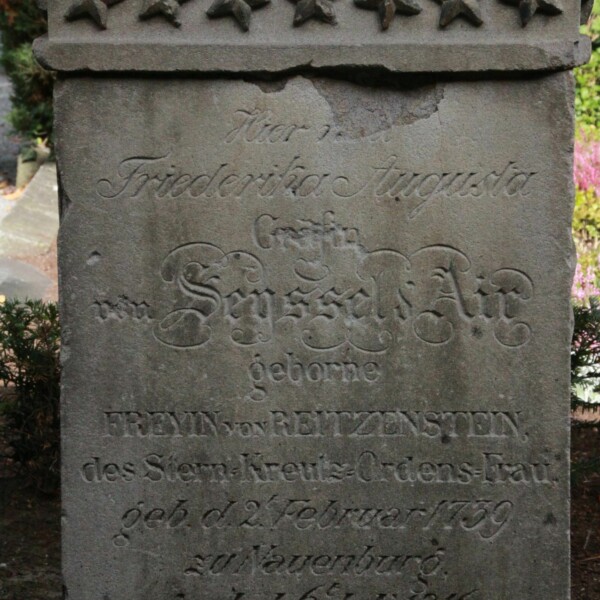
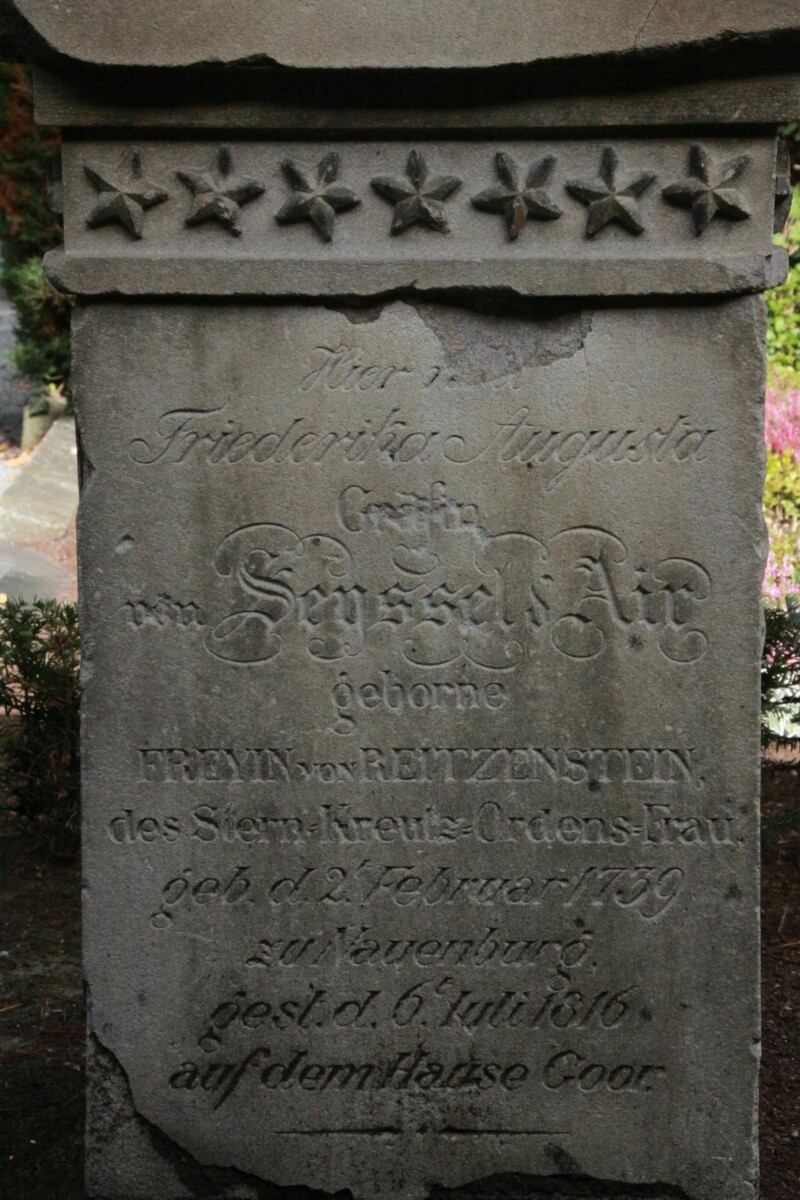
When the boys were dreaming of victories and trophies on the meadow, the house of Goor was already at least 600 years old. "Goor" means something like mud, musty or boggy place. A moated castle belonged to the manor. Through marriage, it came into the possession of the French Count Seyssel d'Aix in 1767. The manor house and land changed hands several times before Friedrich Grillo leased it in 1863. Here he had Shaft 1 of the Consol Colliery sunk. The first signs of mining damage soon became apparent: The house and meadow began to sink. To avoid being involved in a lawsuit, Consol tried to acquire the meadow. Gradually, the owners sold parts of the estate. In 1896 the land around Haus Goor shrank so much that it lost its status as a knight's estate.
Neither the once splendid manor house nor the less splendid founding meadow of FC Schalke 04 is much left today. In today's district of Gelsenkirchen-Heßler, only the allotment garden site Haus Goor and the street Goorshof are reminders of the past. Friederika Augusta Countess of Seyssel d'Aix found her final resting place in the old town cemetery. She died at Haus Goor on 6 July 1816.

 and then "Add to Home Screen".